
An Interesting Elective Experience: A Reflection
In my fourth year, in the months leading up to match, I took a class called “The Art of Peer Support”. I thought it would be a very relevant class, considering my interest in psychiatry. In the class, we delved into the topics of burnout, anti-burnout strategies, and did a deep dive into the current culture of medicine.
From the many great conversations I had with my mentors and colleagues, one theme stood out. No matter how busy we may get, we need to take care of ourselves first! We need to intentionally carve out time to do the things we find most fulfilling and relaxing outside of medicine- in order to be at our best functioning level. Nevertheless, when burnout may be on the horizon for ourselves or our colleagues, knowing how to recognize burnout and ask for help when needed is of the utmost importance. If we learn to recognize the signs of burnout in ourselves and our colleagues, we can take active measures against it. We must lean on each other, with open communication and in an environment that encourages peer support, in order to battle burnout as physicians and other healthcare professionals.
Real Students, Real Journeys
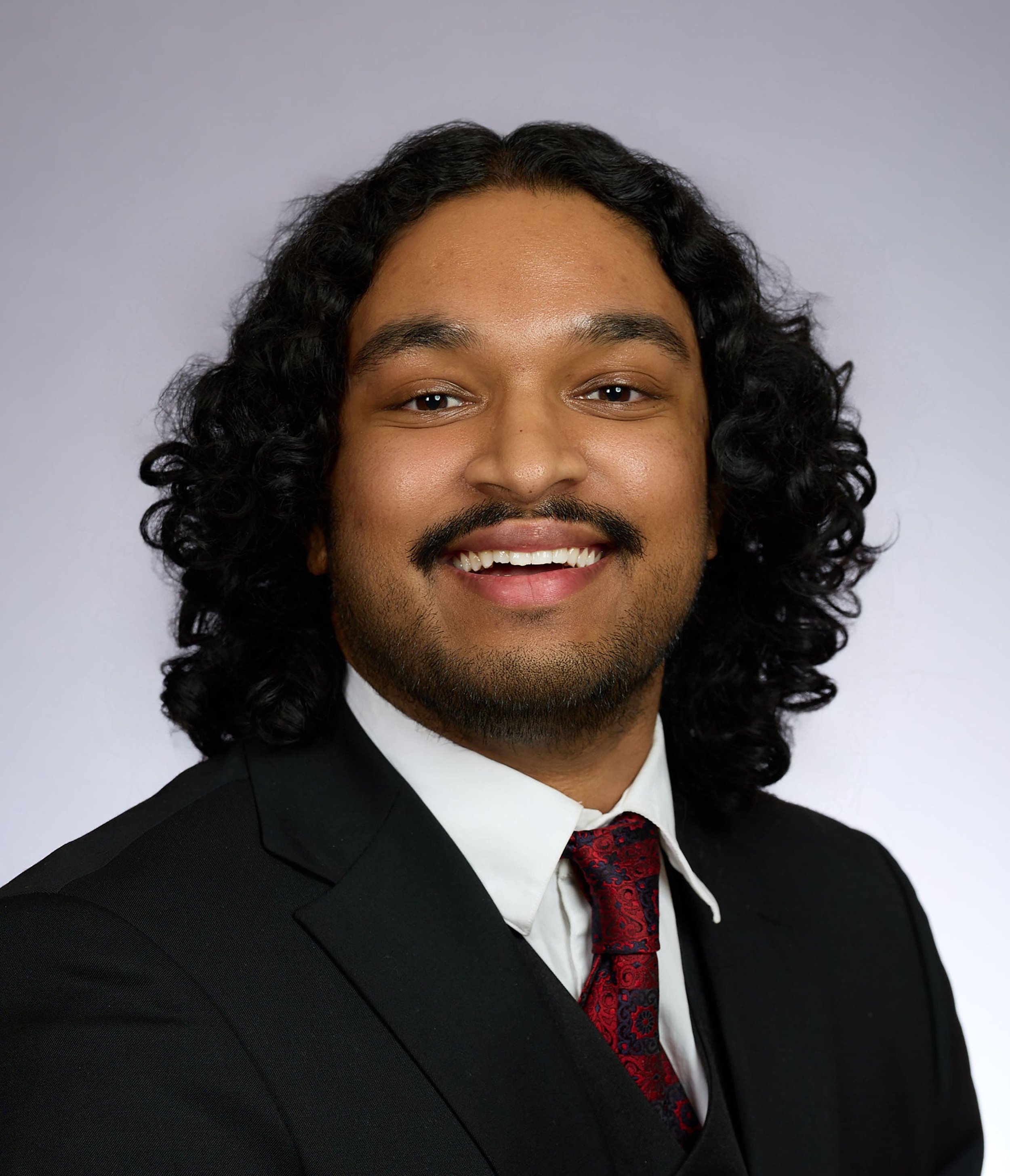
George Vijay Joseph (4th Year Medical Student at Cooper Medical School of Rowan University)
Greetings!
My name is George, but my friends call me Vijay; I am in my final year of medical school and have been asked to detail my own journey into psychiatry, as I am currently in the midst of residency applications and interviews. I am grateful for this opportunity to share my journey and hope it will be of some help to anyone out there considering this field as a future career.
I came into medical school thinking that I would end up in Family Medicine- I mainly enjoyed the longitudinal relationships that I would be able to have with patients. Starting in my 1st and 2nd year of medical school, psychiatry was on my radar largely due to my introduction to Dr. Aguilar (sports psychiatrist and faculty at CMSRU)- my now mentor in the field of psychiatry. In my 3rd year of medical school, I genuinely enjoyed my psychiatry rotation and the relationships I was able to make with my patients and attending physicians. I noticed how the psychiatrists were able to quickly and adeptly assess situations and the safety of patients in the inpatient and emergency settings. I saw how they took the time to understand the patient, not just in their immediate needs, but in the context of their social settings, medical conditions, and personal life events. This attention to the nuances of patients, gracefully integrated into patient care, spoke deeply to me. I completed my sub-internship at the beginning of my 4th year of medical school and deepened my own abilities and understanding of the field of psychiatry. I was able to take more responsibility as a Sub-I, and the role felt very natural and fulfilling for me, confirming my interest in this field as a potential career.
I am drawn to this field because of the unique role of a psychiatrist. Whether in the inpatient or outpatient settings, psychiatrists are able to offer control back to patients. Whether managing frank psychosis or bread and butter anxiety and depression, psychiatrists are able to significantly help patients remove barriers they have to living personally fulfilling lives. Psychiatrists help patients regain control in a unique way and likewise have such a unique impact on patients’ lives. This positive impact is not limited to the patient, but also their immediate social support, including friends and family as well.
As I progress through residency applications, interviews, and hopefully the match process this year, I am humbled and inspired by the people I have met along the way. Even on the interview trail, the friendly and welcoming disposition of psychiatrists has reflected the culture of psychiatry- one that genuinely prioritizes the well-being and fulfillment of patients. This sentiment is paralleled on the psychiatrists’ side as well- there is such an emphasis on preventing burnout and prioritizing one’s own mental health and stability- this deeply resonates with me.
Update on the Match and Looking Back:
As an exciting update, I am extremely grateful to have matched in St. Luke’s University Health Network Psychiatry Residency in Bethlehem, PA. This was number 2 on my rank list and was far and away where I thought I would be the best fit. Interestingly, this program was my last interview in the cycle, but the administration and program structure had left such an impression on me that it completely changed the ranking that I had made beforehand!
Looking back on this whole process, there are a few things I would highlight.
#1) Use the resources you have right in front of you!
Faculty advisors in your school will be of the utmost importance! They have the experience to help you decide which places will be a good fit for what you are looking for
#2) You need to know what you are looking for in a program!
Not all programs are the same - from the call schedule to location to opportunities for subspecialties, the better you know what matters to you, the more data you have to work with to eventually rank programs
#3) Interview Day Vibes
When going through the interview trail, prepare to the best of your ability, but remember that it is your time to assess the program just as much as they are assessing you!
What does your gut tell you about the program after the interview day proceedings? Sometimes a gut feeling can be more powerful than people give credit for. For example, there were a few programs that on paper were very appealing to me, but after the interview day and meeting the administration and attendings, I would feel differently. At the end of the day, only you will know truly if you will be a good fit for a program.
#4) How should you rank?
My experience with this whole process is exactly that- just one experience. That being said, I do strongly believe that you should rank programs ultimately based on what you want. In other words, where do you most want to be? You don’t have to necessarily rank programs based on how well you think the interview may have gone.
Double check your ranking with your advisors and explain why the list is in the order that it is in. This process of explaining your list to someone else can be very insightful for you to hear your own reasoning